

From Idea to Engaged Audience: Why Most Webinars Fail Before They Begin
Imagine this: You’ve lined up a brilliant speaker, crafted a compelling topic, and set the perfect date and time. But on the day of the webinar… no one shows up. Maybe a few attendees trickle in. The chat is quiet. The Q&A feels forced. It’s not the content that failed – it was the promotion.
In 2025, promoting a webinar requires far more than a few social posts and a generic email blast. The digital space is noisy, attention spans are short, and audience expectations are higher than ever. You need a strategic, multi-channel webinar promotion plan that not only grabs attention – but holds it, nurtures interest, and converts it into actual webinar attendance and engagement.
This blog is your 10-step blueprint for promoting a webinar successfully – built from real-world strategies that go beyond theory. Whether you’re a marketer aiming to boost lead generation through webinars, or a founder looking to grow brand visibility, this guide will help you:
- Understand and reach your ideal audience
- Use email marketing and social media platforms with precision
- Build excitement before your event even starts
- And, most importantly, drive attendance and engagement that leads to results
If you’re wondering how to promote a webinar in 2025 and make it worth the time and effort – you’re in the right place. Let’s dive in.
Step 1: Define Your Ideal Audience & Their Pain Points
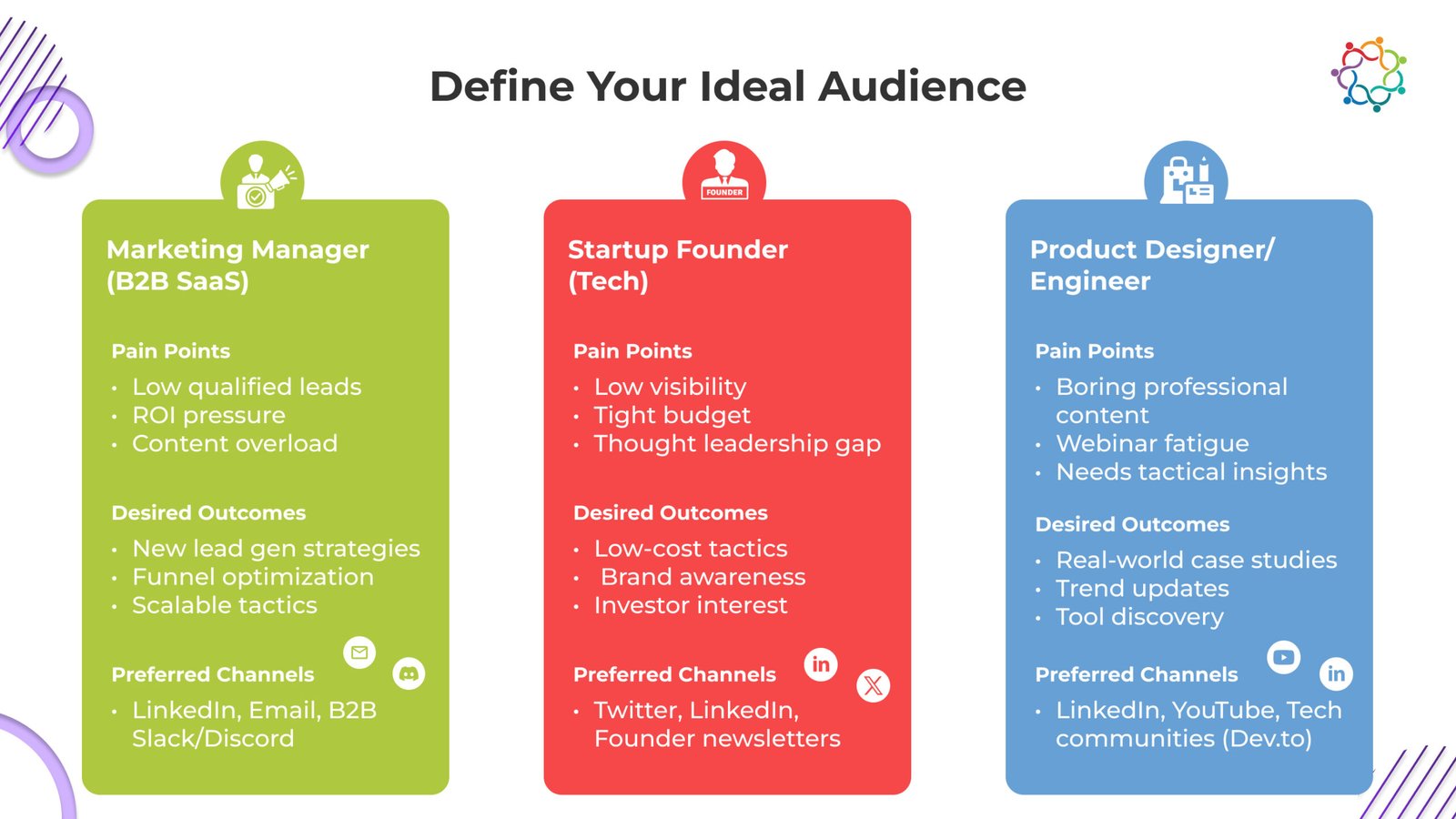
Before you even think about crafting a single email or social post, you need to get crystal clear on who you’re talking to. Successful webinar promotion starts with a deep understanding of your audience – not just their job titles or industries, but what keeps them up at night and what solutions they’re actively searching for.
Understand Who You’re Talking To
A common mistake is to cast too wide a net. When you try to appeal to everyone, you end up connecting with no one. Define your ideal attendees by demographics, professional roles, challenges, and goals. For example, are you targeting marketing managers struggling with lead generation? Or maybe small business owners looking to scale?
Creating Audience Personas
Dig deeper by building detailed audience personas. Think beyond the surface: What are their biggest pain points? What questions do they have about your webinar topic? What motivates them to sign up for events like yours? Use surveys, past webinar data, and customer interviews to paint a clear picture.
Tailoring Your Message
Once you know who you’re talking to, tailor every piece of your webinar promotion – from landing pages to emails – to speak directly to their needs. Use language that resonates with their challenges, highlight the solutions your webinar will deliver, and show them why this event is worth their time.
By starting with a well-defined audience, your webinar marketing efforts will feel intentional and focused – making it easier to increase webinar attendance and engagement naturally.
Step 2: Optimize Your High-Converting Webinar Landing Page
Your webinar landing page is the central hub of your promotion efforts – the place where curiosity turns into commitment. A well-designed, persuasive landing page can make the difference between a handful of sign-ups and a packed virtual room.

The Hub of Your Promotion
Think of your landing page as the handshake between you and your audience. It needs to be clear, trustworthy, and convincing. This is where your potential attendees decide if your webinar is worth their time.
Essential Elements for Conversions
To maximize webinar attendance, your landing page should include:
- A Clear Headline: Instantly communicate the webinar’s value.
- Compelling Value Proposition: What will attendees gain? Solve a problem or deliver a key insight.
- Speaker Bios: Build credibility by showcasing expertise.
- Social Proof: Testimonials, past attendee feedback, or participant numbers boost trust.
- Concise Registration Form: Keep it simple – name and email are usually enough.
- Strong Call-to-Action (CTA): Use clear, action-driven language like “Reserve Your Spot” or “Join the Webinar.”
Mobile Responsiveness & Speed
With over half of users browsing on mobile devices, your landing page must load quickly and display perfectly on any screen size. Mobile-friendly pages not only improve user experience but also support your SEO efforts, helping your webinar rank better in search results.
By optimizing your landing page with these elements, you create a seamless path for visitors to register – a crucial step in effective webinar promotion.
Step 3: Craft Engaging Email Marketing Campaigns for Webinars
Despite the rise of social media and new marketing channels, email marketing for webinars remains one of the most effective ways to drive registrations and maintain interest. The inbox is a personal space – when used thoughtfully, it can turn curiosity into commitment.

The Power of the Inbox
Emails let you reach your audience directly with tailored messaging that’s hard to ignore. But to cut through the noise, your emails must offer clear value and a compelling reason to act.
Key Email Sequences
A successful webinar email campaign uses multiple touchpoints:
- Invitation Emails: Start with an engaging subject line that sparks interest. Clearly explain what attendees will gain and why they shouldn’t miss out.
- Reminder Emails: Send strategic reminders at key intervals – one week, one day, and one hour before the webinar. These nudge potential attendees and reduce no-shows.
- Nurture Emails: Between the invite and the event, share valuable content related to the webinar topic. This builds anticipation and positions you as a trusted resource.
Personalization & Segmentation
Boost open and click-through rates by personalizing emails with recipient names, and segmenting your lists based on interests or behavior. For example, sending a slightly different message to leads who have attended past webinars versus brand new contacts can improve relevance and response.
Mastering webinar marketing through well-crafted email campaigns can significantly increase your webinar attendance and create an engaged audience eager to learn.
Step 4: Harness Social Media Platforms for Webinar Promotion (Organic & Paid)
In today’s digital landscape, harnessing social media platforms for webinar promotion is essential. Social channels give you access to vast, engaged audiences – but success depends on strategy, not just posting the webinar link and hoping for the best.
Tapping into Vast Networks
Social media lets you connect with your audience where they already spend time. It also provides tools to target and engage potential attendees with precision, from organic posts to paid ads.
Platform-Specific Strategies
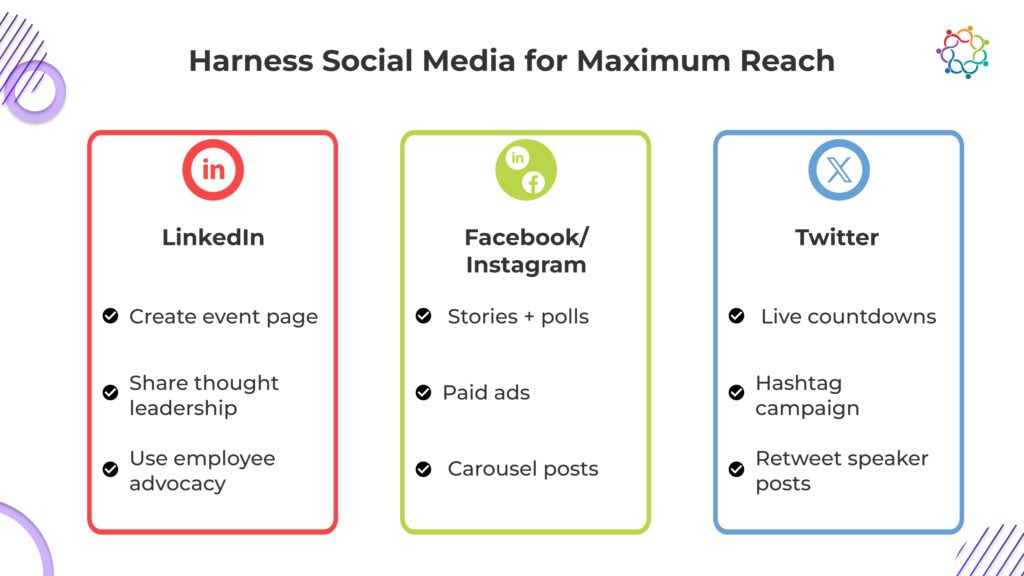
- LinkedIn: Ideal for professional audiences. Create an event page, share thought leadership posts related to the webinar topic, and leverage your network for shares and invites.
- Facebook & Instagram: Use targeted ads to reach specific demographics and interests. Stories and interactive polls boost visibility and engagement. Don’t forget to share the event and encourage followers to RSVP.
- Twitter: Perfect for real-time updates and conversations. Use Q&A sessions and hashtag campaigns to generate buzz and engage with your community.
Visuals & Video Teasers
Eye-catching graphics and short video clips work wonders for grabbing attention in crowded social feeds. Share sneak peeks of your webinar content, speaker introductions, or quick tips that tie into your event theme to build excitement.
Going beyond basic posting by tailoring your social media strategy to each platform will amplify your reach and drive meaningful webinar attendance and engagement.
Step 5: Leverage Strategic Partnerships & Cross-Promotion
Promoting a webinar doesn’t have to be a solo effort. In fact, teaming up with the right partners can significantly extend your reach and lend credibility to your event. Whether it’s a co-host, an industry influencer, or a complementary brand, collaboration is a smart webinar promotion strategy – especially when you’re aiming to scale attendance.
Expanding Your Reach
Think about brands, creators, or organizations that serve the same audience but aren’t direct competitors. These are your ideal cross-promotion allies. A single mention in their newsletter or a shared post on their social media can expose your webinar to an entirely new (but relevant) audience.
Mutual Benefits
Great partnerships are built on shared value. You can:
- Co-host the webinar, combining audiences and bringing in diverse expertise.
- Invite partners to guest speak, giving them visibility while enriching your content.
- Cross-promote each other’s events or resources, building goodwill and audience trust.
These collaborations also signal credibility – if your audience trusts your partner, they’re more likely to trust you.
Affiliate Programs
Want to incentivize your partners further? Consider creating an affiliate program that rewards them for every registration they drive. It’s a win-win: you gain webinar attendance, they earn a reward, and your message spreads farther, faster.
When done right, strategic partnerships transform your webinar marketing from a campaign into a community-driven effort – boosting brand awareness and lead generation in the process.
Step 6: Implement Targeted Paid Advertising (PPC & Social Ads)
Sometimes organic reach just isn’t enough – especially if you’re promoting a high-stakes webinar with lead generation goals or aiming to reach a fresh audience. That’s where targeted paid advertising comes into play. With the right strategy, paid ads can give your webinar promotion efforts a sharp, scalable boost.
Accelerating Registrations
Paid campaigns help you reach the exact people you want – fast. Whether it’s through Google Search, Facebook, or LinkedIn, targeted ads ensure that your webinar gets seen by individuals who are actively interested in your topic or fit your ideal customer profile.
This is especially useful in the final stretch before your webinar when organic reach might not deliver results quickly enough.
Platform Choice & Budgeting
Different platforms serve different purposes:
- Google Ads: Great for search-based intent. Target keywords like “[Your Topic] webinar 2025” or “free online webinar on [industry].”
- LinkedIn Ads: Perfect for B2B. Use job titles, industries, and company size filters to narrow in on decision-makers.
- Facebook & Instagram Ads: Excellent for interest-based targeting and retargeting. Use eye-catching visuals, carousels, and videos.
Start with a modest daily budget and test different ad creatives, copy, and audiences. Double down on what performs.
Retargeting Campaigns
Visitors who landed on your webinar landing page but didn’t register aren’t lost opportunities – they’re warm leads. Use retargeting ads to remind them of the event, highlight urgency, or showcase new value (like a confirmed speaker or bonus resource).
Paid ads, when run with a clear strategy and tight targeting, can dramatically improve webinar attendance and ROI, turning your marketing from passive to proactive.
Step 7: Host Engaging Pre-Webinar Activities & Content Teasers
One of the most overlooked aspects of promoting a webinar is what happens before the event. The period between someone registering and actually attending is critical – and often underutilized. By building anticipation through smart pre-webinar content, you not only reduce no-shows but also lay the groundwork for better webinar engagement.
Building Anticipation
Don’t go silent once someone registers. Keep the momentum going by teasing what’s to come – whether it’s a surprise guest, a valuable resource, or an exclusive takeaway.
Think of this phase as your “pre-launch runway.” The more excitement you generate, the more likely people are to show up and stay engaged.
Interactive Content
Interactive touchpoints are a great way to warm up your audience:
- Polls related to the webinar topic (on LinkedIn or Instagram).
- Surveys to collect questions ahead of time – and show attendees their input shapes the agenda.
- Live Q&A sessions or AMAs (Ask Me Anything) on social media with your speakers.
This doesn’t just boost visibility. It makes attendees feel involved before the webinar even begins.
Value-Add Content
Repurpose parts of your webinar planning into micro-content:
- A short blog post diving into a key trend you’ll explore.
- A 1-minute teaser video from your speaker with a bold claim or stat.
- An infographic with data that sets the context for your topic.
This kind of snackable content not only reinforces your value proposition – it also works across email, social, and even internal channels.
2025 Tip: Ride the Wave of Relevance
How to promote a webinar in 2025? Tap into what your audience already cares about now. If there’s a trending issue, regulation change, or viral moment relevant to your topic – reference it. Timeliness creates urgency, and urgency drives action.
When you layer in compelling pre-webinar activities, you don’t just fill your virtual seats, you fill them with interested, engaged people who are primed to listen and convert.
Step 8: Optimize for Search: Boosting Visibility with SEO
You can craft the best webinar in the world – but if no one can find it, it won’t move the needle. That’s why search engine optimization (SEO) needs to be part of your webinar marketing plan. Think beyond just your blog – your actual webinar registration page should also be optimized for discoverability.
Making Your Webinar Discoverable
Start by treating your webinar landing page like a valuable piece of content. Is it optimized to show up in search results when someone types in terms like “how to [solve X problem] in 2025” or “free webinar on [topic]”?
Google indexes event pages, and people do search for webinars. Meet them there.
Keyword Integration on Event Pages
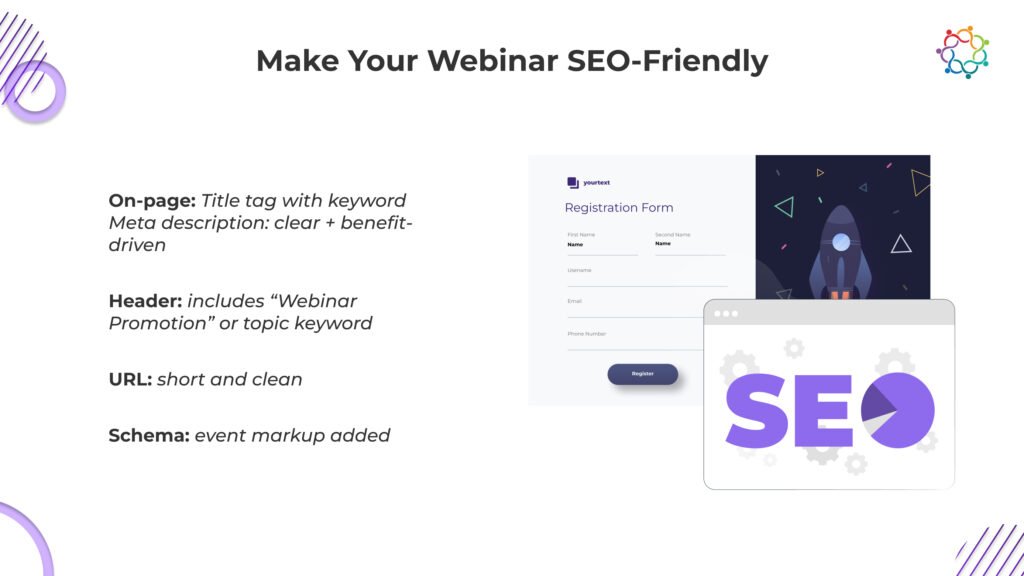
Use relevant keywords naturally throughout your page – just like you would in a blog:
- Primary keyword: Promoting a webinar
- Secondary keywords: Webinar promotion, webinar attendance, webinar engagement
- Long-tail examples: “Effective webinar promotion strategies” or “How to promote a webinar in 2025”
Incorporate these in:
- The page headline and subheadings
- Meta title and description
- Alt text for images
- The speaker bios or webinar agenda (where relevant)
But remember: no keyword stuffing. Write for humans, then layer in the language search engines recognize.
Schema Markup
Add event schema markup to your registration page. This helps Google understand your content and may even display your webinar as a rich result (date, time, and title) directly in search – boosting click-through rates.
Content Hub Strategy
Use your blog (like this one) as a central piece in your content hub – linking out to:
- The webinar registration page
- Related articles or resources
- Post-webinar recap content
Interlinking improves SEO while offering readers a seamless journey through your content universe.
When you prioritize SEO as part of your webinar promotion, you’re not just chasing visibility – you’re laying the groundwork for long-term discoverability and organic traffic, even after your event has passed.
Step 9: Repurpose Content for Extended Reach
Your webinar shouldn’t be a one-and-done event. If you’ve taken the time to plan, promote, and execute a solid session, you’ve already created valuable content – don’t let it sit idle. Repurposing allows you to stretch your efforts, amplify reach, and continue generating value from your webinar long after it ends.
Maximize Your Effort
Think of your webinar as a content goldmine. You now have:
- A recorded video
- Speaker insights
- Visual slides
- Audience Q&A
- Poll results
Each of these can become standalone content pieces that reinforce your brand and continue attracting leads.
Bite-Sized Content
Here’s how to break your webinar into digestible assets:
- Short video clips: Pull out 30–60 second moments where a speaker shares a key insight. Great for LinkedIn or Instagram.
- Quote cards: Visual snippets with expert takeaways.
- Audio snippets: For those who prefer podcasts or short listens.
By slicing the webinar into smaller parts, you can drip content over time – keeping the conversation alive while boosting webinar engagement on other platforms.
Blog Posts & Infographics
Turn key sections of your webinar into educational blog posts, particularly ones that address trending questions or pain points. This not only improves SEO but also positions your brand as an ongoing resource.
Infographics are another great way to present insights, especially data or frameworks shared during the session. They’re highly shareable and can drive additional webinar marketing momentum.
Tip: Link these repurposed assets back to the full webinar recording or a gated replay page to continue generating lead generation opportunities.
Reinforcing Brand Awareness
When you consistently resurface high-value takeaways from your webinars across email, social media, and your website, you’re reinforcing your brand’s thought leadership. This creates multiple touchpoints that drive trust – and eventually, conversions.
Boosting brand awareness with webinars isn’t just about the event day – it’s about how long your message can live and thrive after the fact. Repurposing is what gives your webinar legs.
Step 10: Implement Strategic Follow-Up Activities Post-Webinar
The webinar might be over – but your job definitely isn’t. In fact, the real ROI often comes after the event. What you do in the days that follow will determine how well you nurture leads, maintain engagement, and set the stage for future conversions.
The Aftermath is Crucial
Webinar attendees have just spent 30 to 60 minutes engaging with your content. They’re warm, informed, and potentially interested – but if you don’t follow up promptly and purposefully, that attention fades quickly. That’s where effective follow-up activities after a webinar come into play.
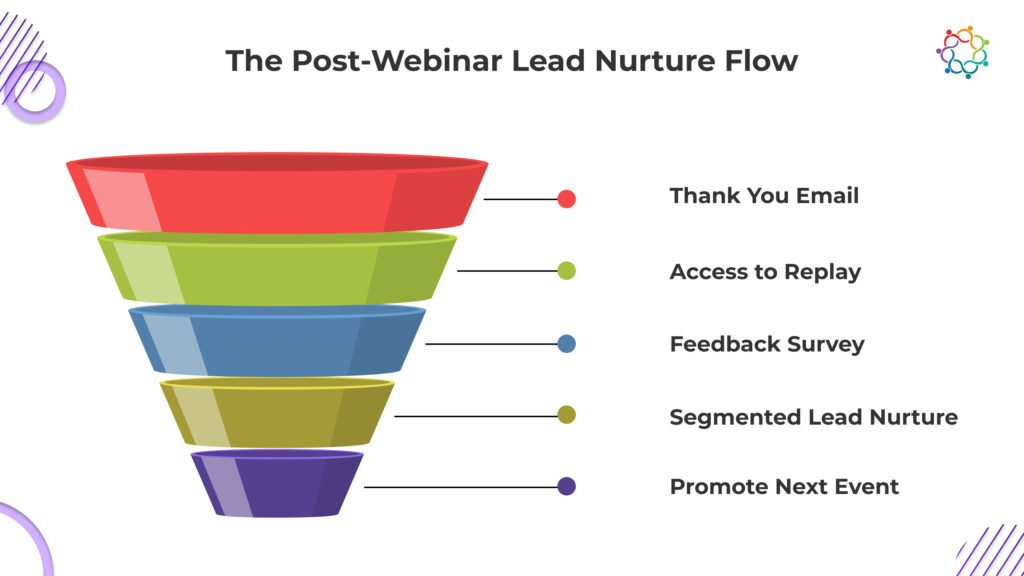
Essential Post-Webinar Emails
A thoughtful follow-up sequence helps reinforce the value of the session and extends the relationship:
- Thank You Emails: Show appreciation. Personalize it with the attendee’s name and a brief recap of what they gained.
- On-Demand Access: Share the recording, slides, and any promised resources. Make it easy to share with colleagues too.
- Survey Emails: Ask what they liked, what they’d improve, and what topics they want next. This boosts engagement and helps you plan better webinars.
- Didn’t Attend?: For no-shows, send a “Sorry we missed you” email with a recording and upcoming events they might like.
Timing matters: send your thank-you within 24 hours, the recording within 48, and the survey within 2–3 days max.
Nurturing Leads
Not everyone who registers is sales-ready – but they’ve shown interest. Segment your list based on:
- Attendance
- Engagement (e.g., stayed till the end, asked questions)
- Poll or survey responses
Now tailor your nurture campaigns:
- Share blog posts that dive deeper into the topic
- Offer gated content like case studies or whitepapers
- Invite them to book a consultation or demo if they’re ready
This is where webinar lead generation turns into actual pipeline – if handled well.
Future Engagement
Your webinar is also a gateway to a broader relationship:
- Promote upcoming webinars or related events
- Add them to your newsletter for ongoing value
- Encourage them to follow your social media for updates and insights
Keep the conversation alive – and build trust with every interaction.
A well-run follow-up strategy is the difference between a one-time viewer and a long-term customer. If you want to truly increase webinar attendance and participation, start thinking of the post-webinar phase as your most critical engagement window.
Conclusion: Your Blueprint for Webinar Success
Promoting a webinar in 2025 isn’t just about sending a few emails or posting on social media – it’s about crafting a well-rounded, strategic journey that begins long before your webinar goes live and continues well after it ends.
This 10-step blueprint is designed to take you beyond the basics of webinar promotion, offering a clear path to:
- Increase webinar attendance and participation
- Boost webinar engagement
- Drive meaningful lead generation
- And ultimately, achieve your event goals with confidence
From defining your audience and building a high-converting landing page, to leveraging email marketing, social media, SEO, partnerships, and repurposing content – every step is a building block toward webinar success.
But here’s the thing: even the most brilliant strategies mean nothing without consistent execution. The webinars that perform best are backed by teams (or individuals) who treat every promotion cycle as a chance to learn, improve, and connect more deeply with their audience.
Whether you’re a marketer, founder, or team of one – you now have a tactical guide to take your webinar from “just another event” to a lead-generating, engagement-driving powerhouse.
Ready to Put This Into Action?
If you’re preparing for your next webinar, bookmark this blueprint. Better yet, start applying each step and track what works. You’ll be surprised how small changes in planning and promotion can lead to big leaps in attendance and impact.
And if you’re looking for a platform that brings all these strategies together – from landing page creation to email campaigns and post-webinar analytics – consider exploring Samaaro designed for modern teams like yours.